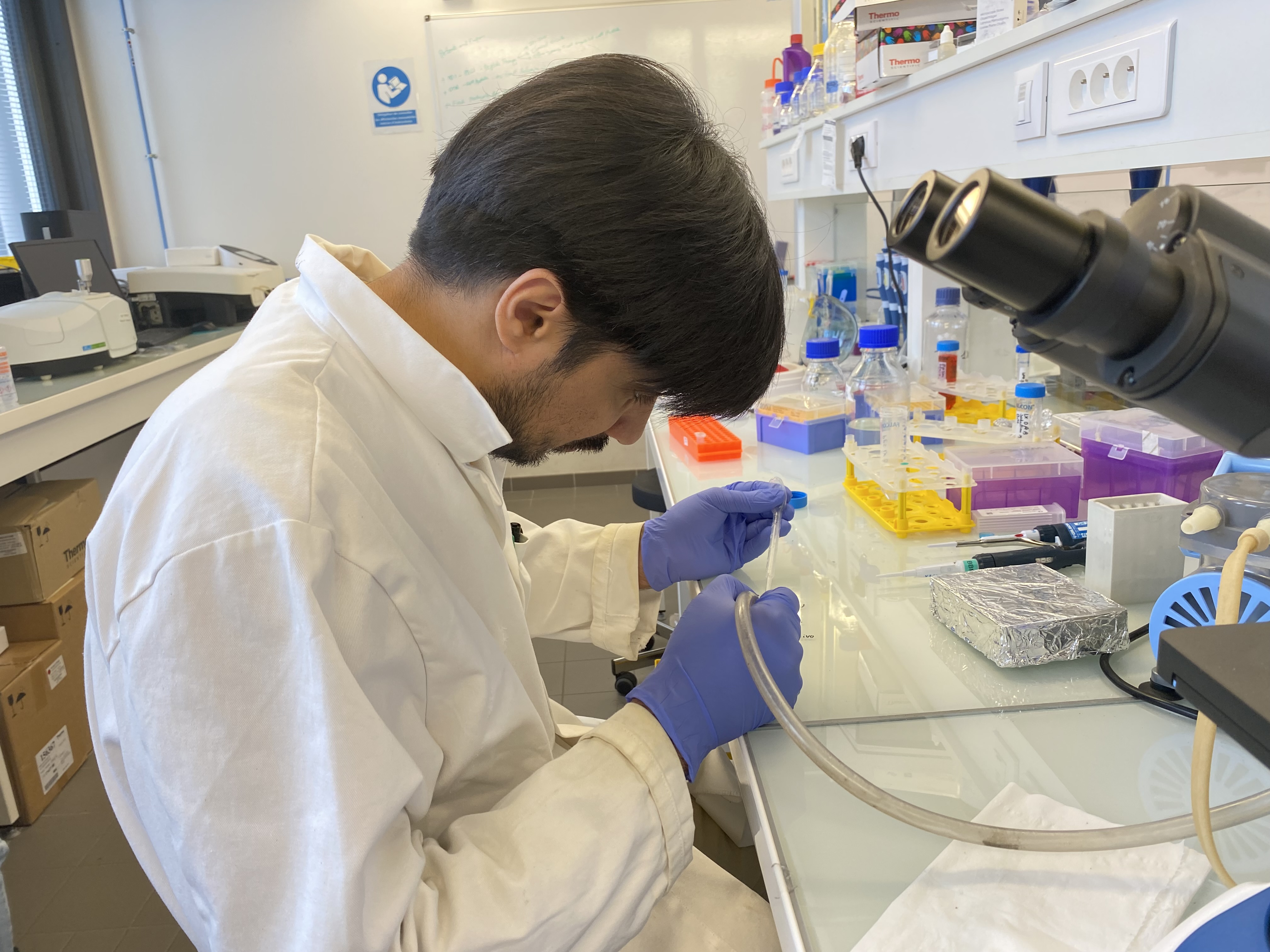
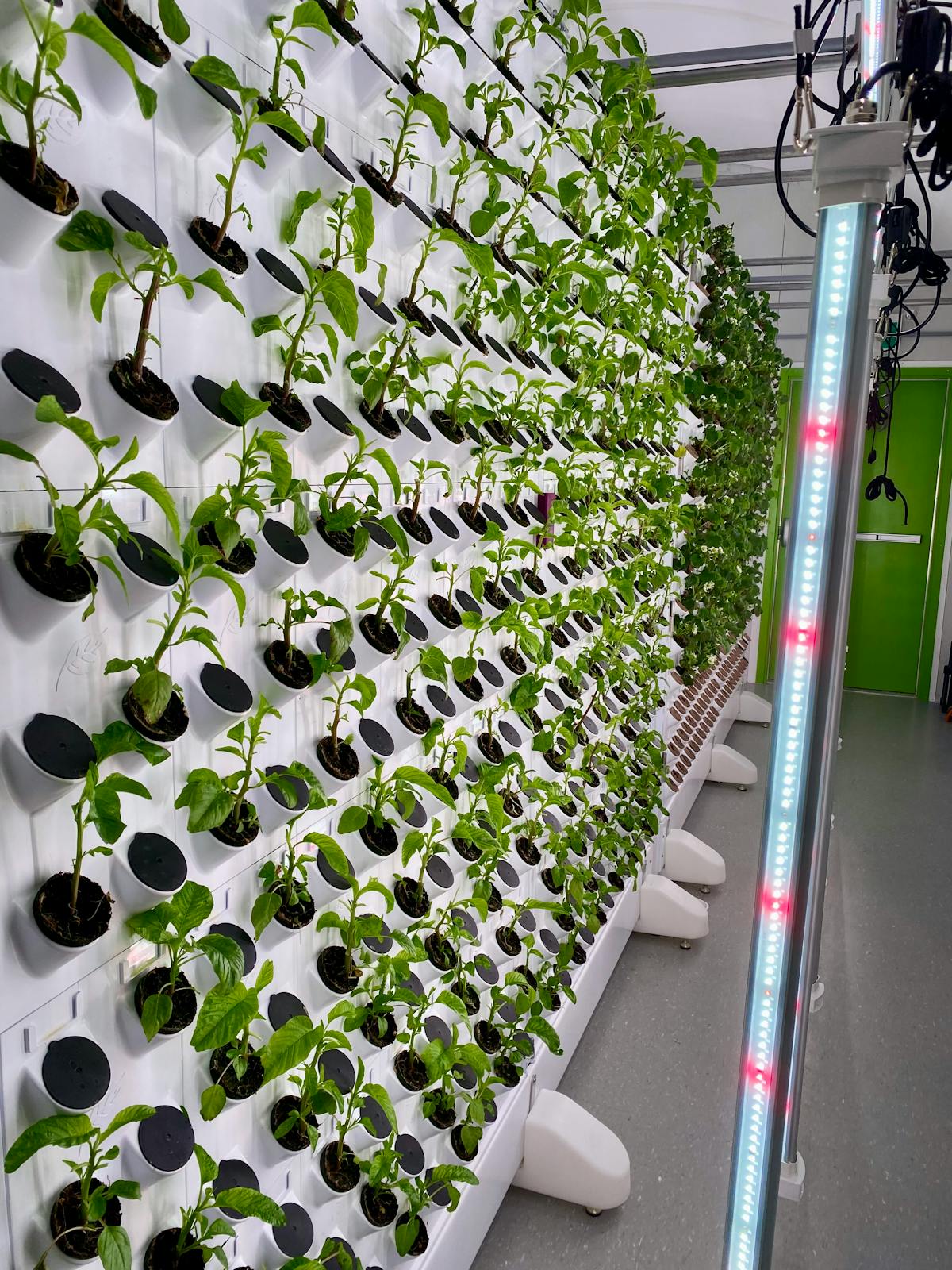
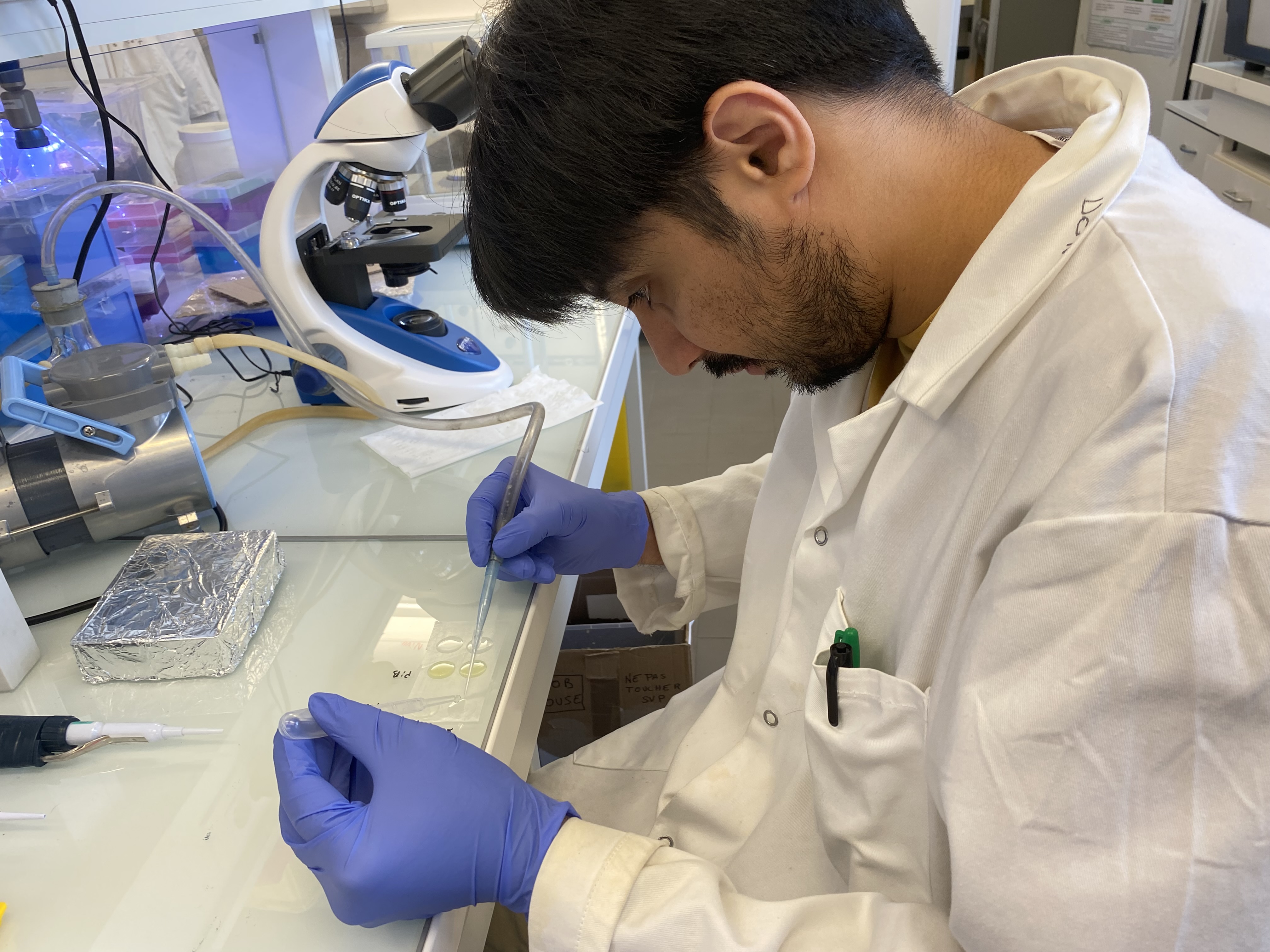
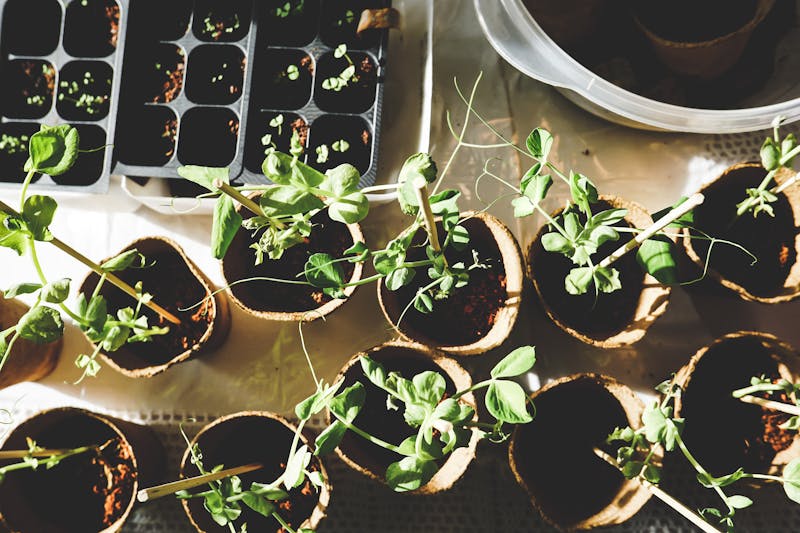
We develop orally delivered, colon-targeted biologics for orphan and high-unmet-need gastrointestinal diseases. Local mucosal exposure with minimal systemic toxicity.
Biologics have transformed many disease areas. But for conditions localized to the colon and lower GI tract, systemic delivery creates a fundamental mismatch between where the drug goes and where the disease is.
Injected biologics are absorbed systemically. Less than 5% of the administered dose reaches the intestinal mucosa. The remaining 95% circulates throughout the body, driving dose-limiting toxicity that often prevents dose optimization at the site of disease.
For patients with localized gastrointestinal conditions, this means living with treatments that are systemically intense but locally insufficient. Infusion visits, immunosuppression, injection-site reactions -- all for a drug that barely reaches the colon.
The result: high discontinuation rates, persistent symptoms, and an entire class of patients whose disease is anatomically accessible but therapeutically underserved.
"What is lacking today is the ability to deliver an effective and safe biological payload at the GI tract level."
Alexandre Lebeaut, MD — Former CSO, Ipsen
Our proprietary system uses plant-based bioencapsulation to protect biologic payloads through the upper GI tract and release them at the colonic mucosa. The platform is the product enabler, not the product itself.
The challenge of oral biologic delivery has always been survival: stomach acid, pancreatic enzymes, and intestinal proteases destroy large molecules before they reach their target. Enteric coatings help small molecules, but biologics require a fundamentally different approach.
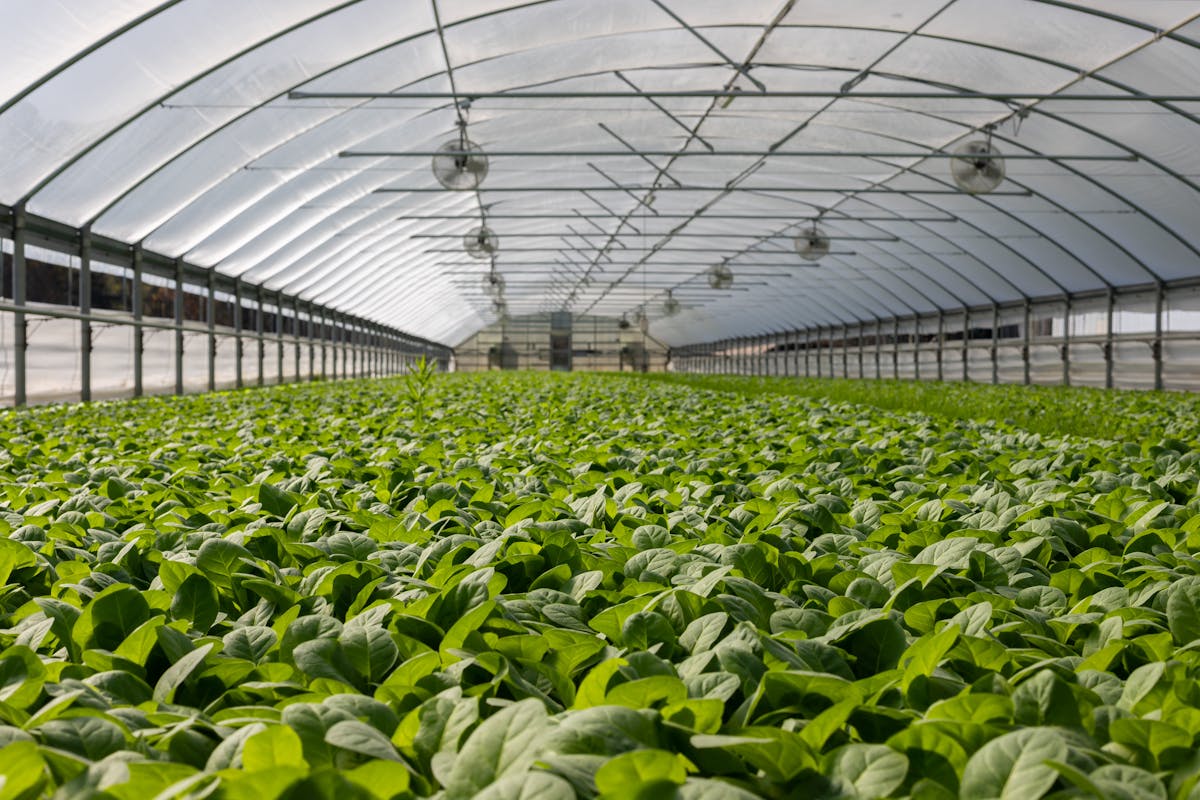
Our system leverages the plant cell wall as a natural bioencapsulation matrix. Therapeutic proteins expressed within plant cells are physically shielded from gastric degradation. In the colon, resident microbiota digest the cellulose matrix, releasing the biologic directly at the mucosal surface -- precisely where it needs to act.
Our programs target orphan and high-unmet-need conditions of the colon and lower GI tract where systemic biologics are suboptimal and local mucosal exposure offers a distinct clinical advantage.
Specific indications, molecular targets, and program-indication pairings are available to qualified partners under confidentiality agreement.
Our platform builds on two decades of published work in plant-based pharmaceutical systems, oral biologic delivery, and colonic targeting.
Built at the intersection of plant molecular biology, GI drug development, and biotech company building.
Drives Plantibodies' corporate strategy, fundraising, and partnership development. Focused on translating the platform into focused clinical programs targeting orphan GI conditions. HEC Paris.
Leads the scientific platform with 6+ years of research in plant molecular pharming at Sorbonne Université. Oversees preclinical development, process optimization, and intellectual property strategy.
We partner with companies that have biologic assets where local colonic delivery offers a clinical or competitive advantage over systemic administration.
You have a validated biologic mechanism. We apply our delivery platform to develop an oral formulation targeting a specific GI indication. You retain rights to your molecule in all other settings. We bring the formulation, the preclinical data, and the regulatory path.
For biologics that are suboptimal when administered systemically -- whether due to toxicity, poor patient compliance, or insufficient mucosal exposure -- we co-develop an oral version designed for anatomically localized GI disease. Shared risk, shared upside.
Biologics in crowded systemic indications may find differentiated positioning as locally delivered GI products. Our platform enables partners to enter defined GI niches where local delivery is the competitive moat, not the molecule alone.
Whether you are a potential partner, investor, or collaborator, we would welcome the conversation.
67 rue Saint-Jacques
75005 Paris, France
Sorbonne Université, Paris
Plant biology & molecular pharming